Evaluation meeting of the Mentorship Program for legal professionals from the Republic of Moldova
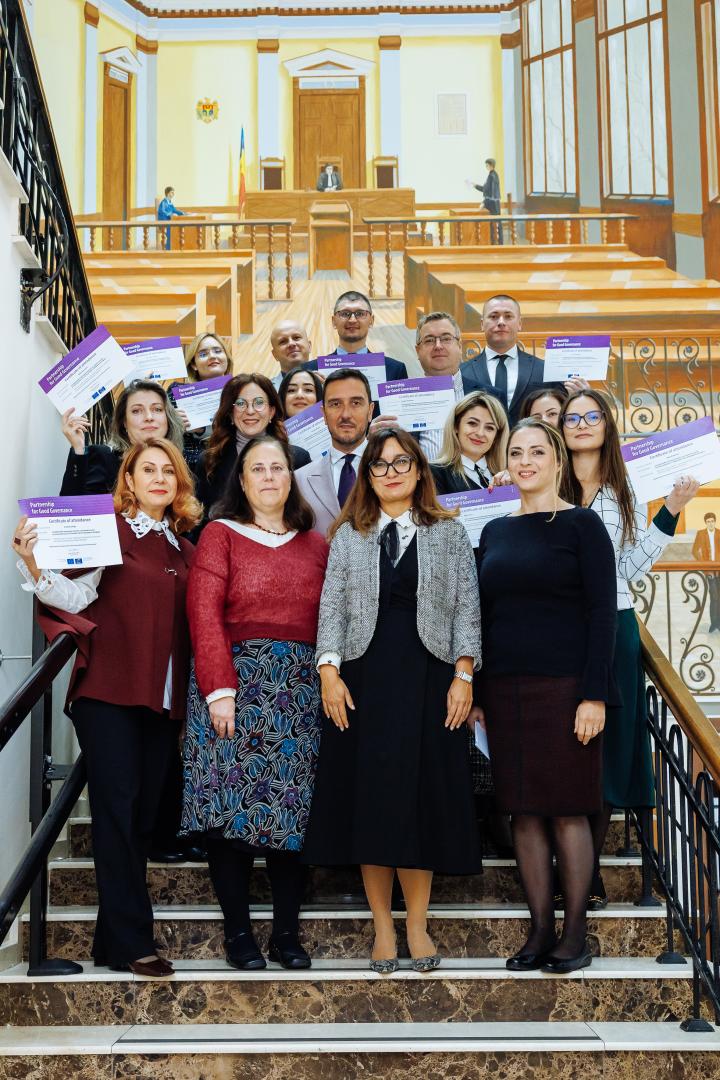
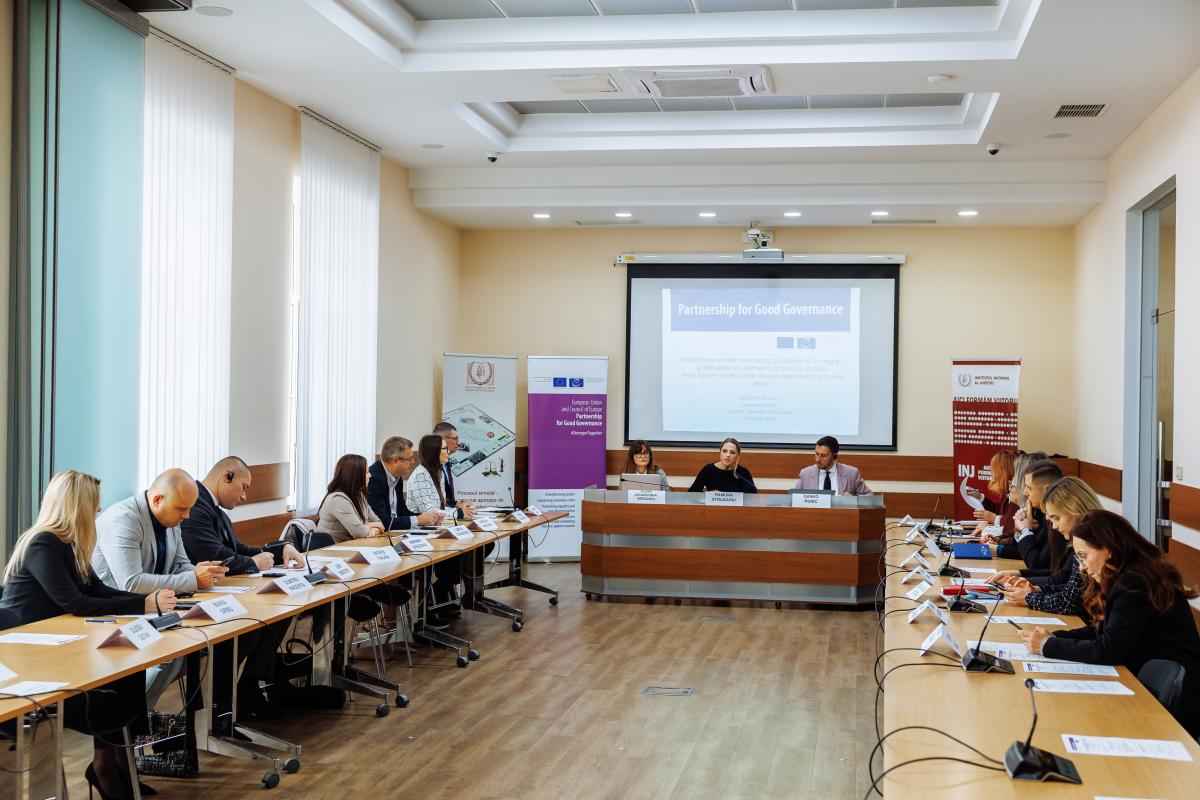
On Wednesday, October 1, 2025, at the National Institute of Justice, the Evaluation Meeting of the Mentoring Program for legal professionals, carried out within the regional project, took place "Women's access to justice - Implementation of Council of Europe standards on gender equality and combating violence against women", part of the Partnership for Good Governance III.
The event, moderated by Danko Runić, Program Manager in the Gender Equality Division of the Council of Europe, brought together three mentor promotions and mentors – judges, prosecutors and other justice professionals – involved in strengthening women's access to justice skills.
In the opening, Ramona Strugariu, director of the National Institute of Justice, emphasized that our country's progress in the field of gender equality is due to a consistent effort: "The fact that the Republic of Moldova is in 10th place in the Global Gender Equality Index is not an accident. It is the result of a sustained effort to integrate this dimension into public policies and training, which is what we are already doing at the National Institute of Justice. The aspirations must meet very balanced with continuity in this matter".
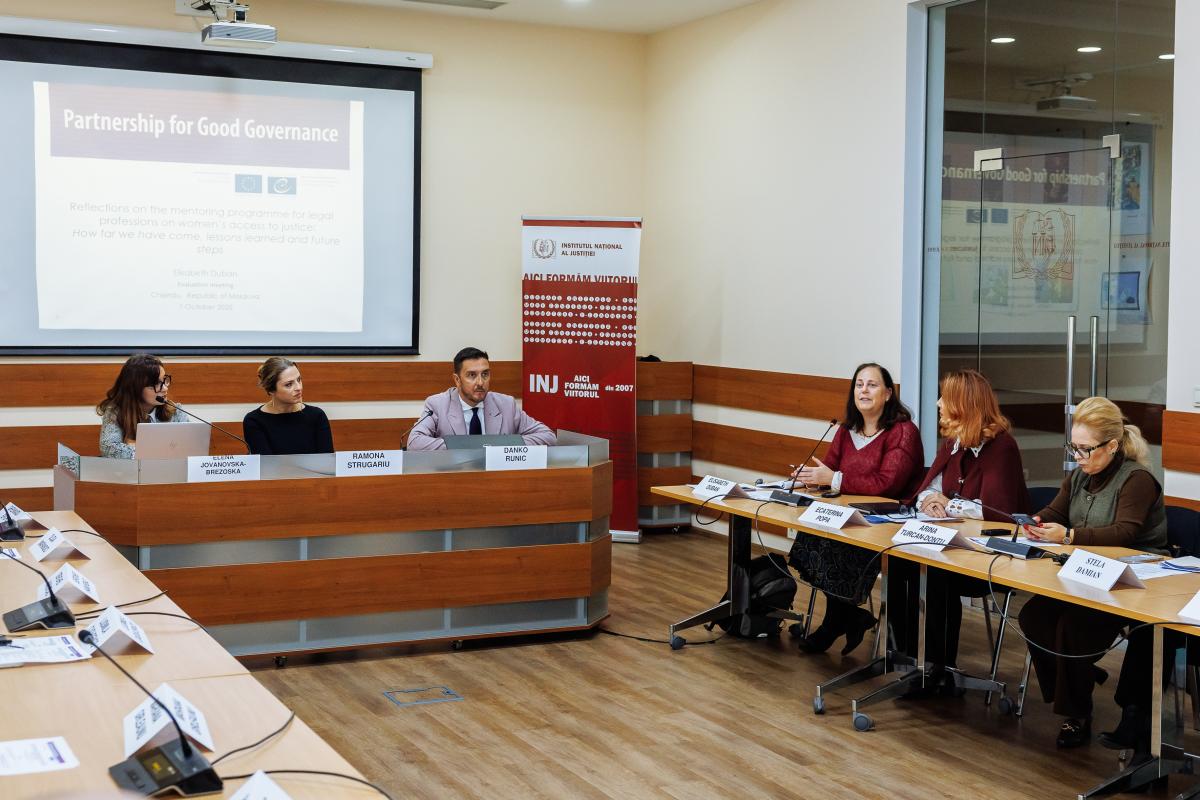
For her part, Elena Jovanovska-Brezoska, head of the Capacity Building and Cooperation Unit within the Gender Equality Division, said the following: "I want to thank the National Institute of Justice for the commitment shown from the very beginning to this program and for the trust it has shown. What matters most is how this knowledge is applied in the daily work of judges and prosecutors."
Elizabeth Duban, expert of the Council of Europe, presented a synthesis of the methodology and results accumulated over a decade, highlighting the program's contribution to increasing gender sensitivity in decision-making, overcoming stereotypes and creating a safe discussion space for professionals.
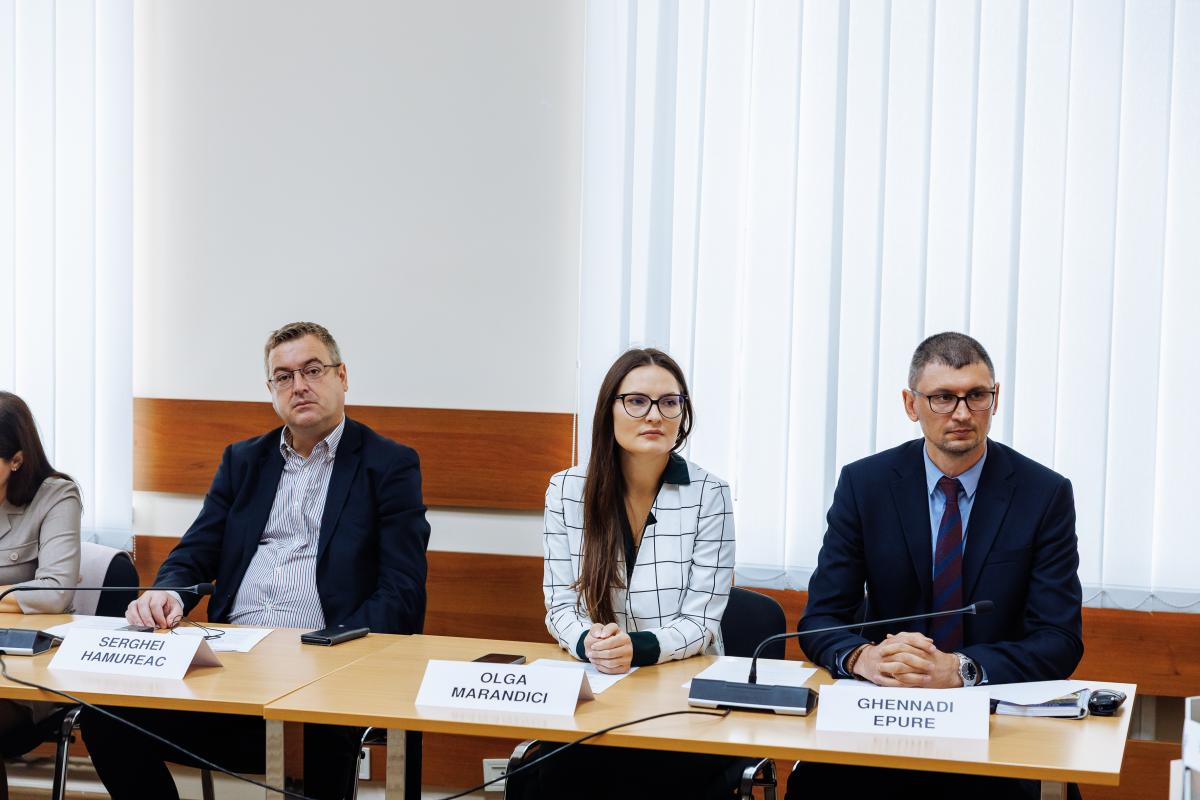
The panel discussion analyzed the challenges encountered and made suggestions for the future, including expanding mentoring to multidisciplinary teams working with victims of violence and adapting the curriculum to emerging forms of digital violence and bias crime.
The mentorship program for legal professionals aims to strengthen the competences of practitioners regarding the Istanbul Convention of the Council of Europe and the standards related to gender equality, strengthening the training act within the judicial institutions of the Eastern Partnership countries. Taking a different approach to that used in traditional classroom teaching, courses or textbooks, the new methodology establishes a link between access to justice theories, the international human rights framework and the daily work of professionals, with particular attention to specific areas where difficulties are frequently encountered.
Galerie foto oficială (3)