Institutional dialogue at the INJ regarding the application of future anti-SLAPP legislation and the training of judicial professionals
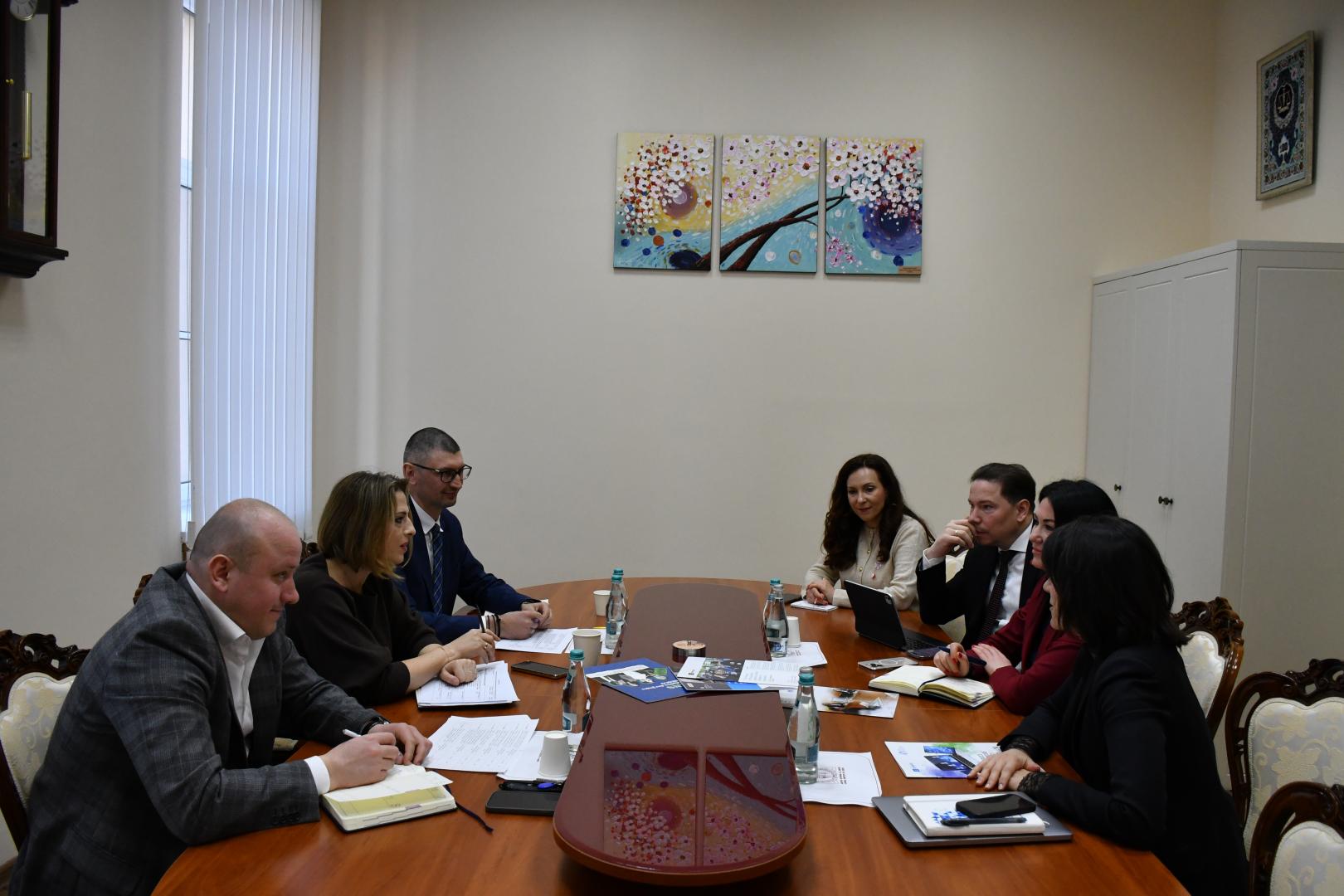
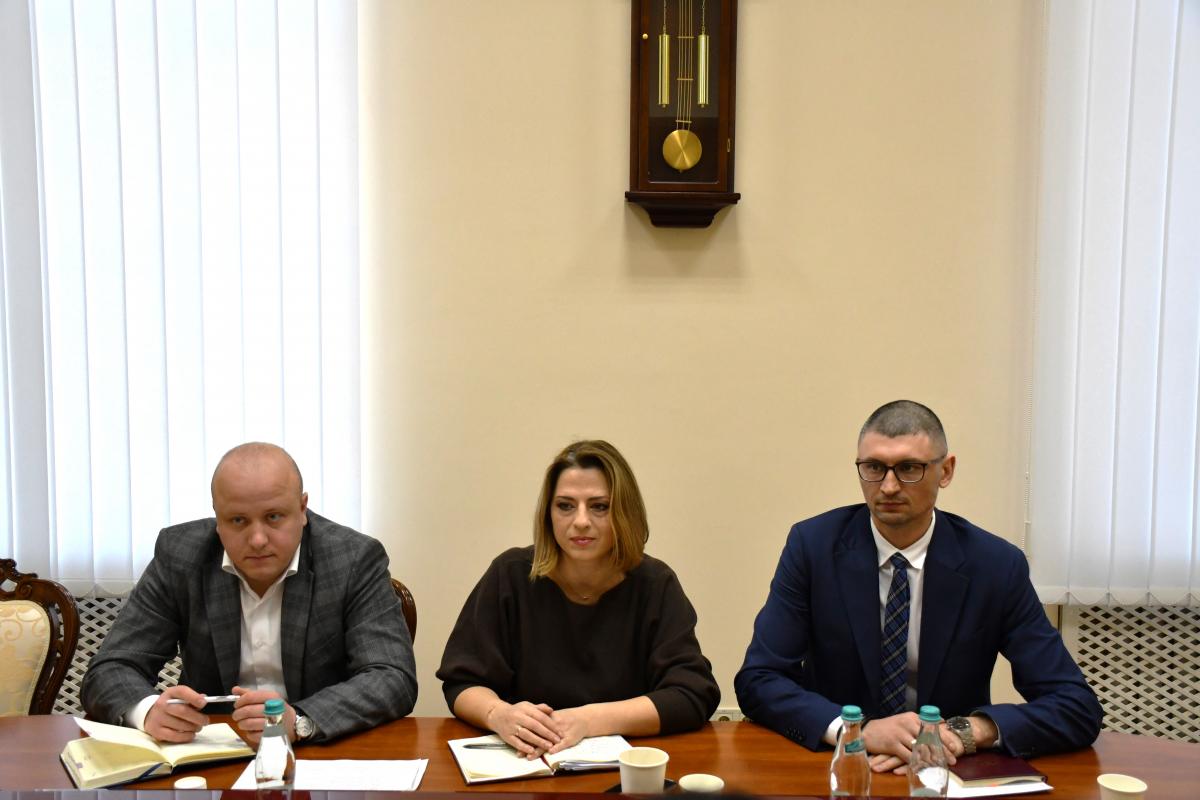
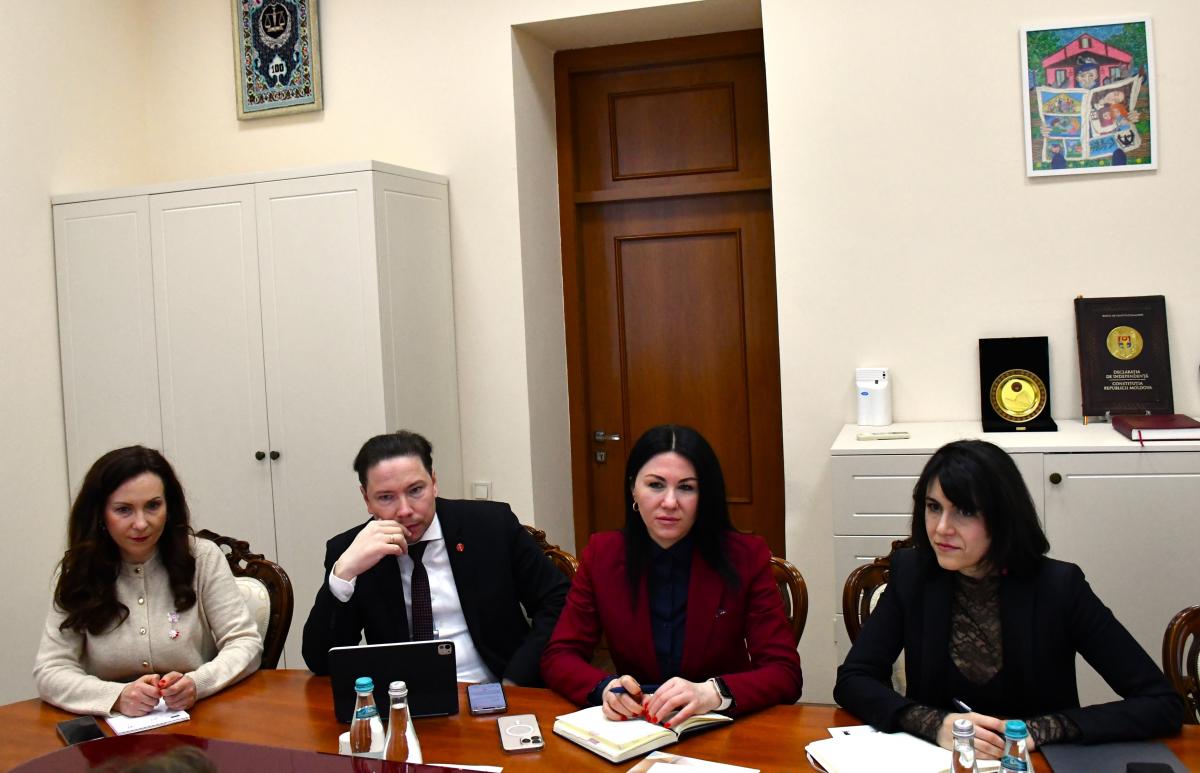
The National Institute of Justice hosted on Wednesday, March 4, 2026, a dialogue with the UNESCO representative for freedom of expression and the safety of journalists, Giulia Melotti. The meeting was attended by Sergiu Caraman, president of the Superior Council of the Magistracy, Tatiana Ciaglic, member of the Superior Council of the Magistrates, Mariana Cherpec, member of the Superior Council of Prosecutors, and representatives of INJ - Ramona Strugariu, director, Ghennadi Epure, deputy director, and Octavian Bivol, head of the Continuous Training Section.
The dialogue took place in an open format, aimed at identifying practical solutions regarding the harmonization of national legislation with European directives dedicated to the prevention of the anti-SLAPP phenomenon. Thus, the organization of joint training programs for the application of future legislation, aimed at protecting journalists and civic activists from abusive or intimidating litigation, was discussed. Within them, professionals from the judicial system will be able to analyze, with the support of international experts, case studies from European jurisprudence and new procedural mechanisms. At the same time, the need to develop methodological guidelines to explain the new legal instruments was highlighted.
Another topic addressed was to strengthen the capacities of judicial actors to respond to the challenges of the digital environment, especially online disinformation and media attacks directed against the integrity of the judicial system. The proposed initiatives aim to ensure the right to free expression and, at the same time, strengthen institutional resilience and public trust in the judicial act. In this context, INJ beneficiaries can access the educational resources and specialized courses offered by UNESCO.
In order to ensure an efficient transition to the new rules, the parties also discussed the organization of a round table, which would bring together both authors of the new legislative projects and practitioners who will implement them, with a view to an essential exchange of opinions before the final adoption of the laws.
Galerie foto oficială (2)